How to Pay Off Credit Card Debt Faster: Your Ultimate Guide
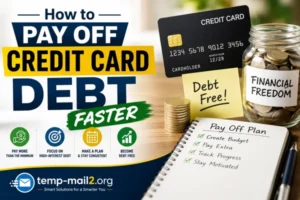
High-interest credit card debt can feel like a heavy weight holding your financial future hostage. If you are scraping by making only minimum payments, you are largely just paying off accumulated interest rather than lowering your actual balance. Learning how to pay off credit card debt faster is the most impactful step you can take to save money and reduce stress.
By executing a structured repayment strategy, you can eliminate what you owe ahead of schedule and start building real wealth.
1. Choose a Proven Debt Repayment Strategy
To accelerate your progress, you need a systematic plan rather than making random payments. Two highly effective financial strategies can help organize your approach.
- The Debt Avalanche: List your cards by interest rate and target the highest-rate card first. This math-focused method minimizes total interest charges over time.
- The Debt Snowball: Pay off your smallest balances first to gain quick psychological wins. This builds immediate momentum and keeps you motivated.
2. Leverage Balance Transfer Credit Cards
High interest rates often drag out your repayment timeline. Moving your debt to a 0% APR balance transfer card can provide immediate financial relief.
- Stop Interest Growth: These cards halt interest accumulation for an introductory window, usually spanning 12 to 21 months.
- Direct Principal Payments: Every single dollar you pay goes directly toward wiping out your principal balance.
- Watch Out for Fees: Factor in the standard 3% to 5% balance transfer fee to ensure the move makes financial sense.
3. Optimize Your Savings and Cash Flow
Cutting expenses gives you more fuel to throw at your debt. At the same time, you need a secure place to store emergency cash so you do not rely on credit again.
- Trim Variable Spending: Audit your monthly subscriptions, dining out, and impulse purchases to free up extra cash.
- Build an Emergency Fund: Keep a small cash cushion so unexpected expenses do not force you back into debt.
- Use High-Yield Accounts: High-yield savings accounts pay significantly more interest than traditional bank accounts, helping your emergency cash grow safely while you focus on debt.
4. Negotiate Lower Rates or Consolidate
You do not have to tackle your debt blindly without exploring lower-rate options. Direct negotiation or consolidation loans can streamline your path.
- Call Your Creditors: Ask your credit card issuers for a lower interest rate, especially if you have a history of on-time payments.
- Personal Debt Consolidation Loans: Combine multiple high-interest cards into a single personal loan with a fixed, lower interest rate.
- Simplify Monthly Tracking: Consolidation leaves you with just one predictable monthly payment instead of juggling multiple due dates.
Frequently Asked Questions
What is the fastest way to pay off credit card debt?
The fastest way is using the debt avalanche method, where you make maximum payments toward your highest-interest card while paying minimums on the rest. This strategy minimizes your total interest expense.
Is it better to save money or pay off credit card debt first?
It is generally better to pay off high-interest credit card debt first because the interest rate on your debt is almost always higher than the return you would earn on savings.
Can I negotiate my credit card debt with the bank?
Yes, you can contact your credit card issuer to ask for a lower interest rate or request a hardship program to temporarily lower your monthly payments.
Does consolidating credit card debt hurt your credit score?
A consolidation loan may cause a minor, temporary dip due to a hard credit inquiry, but it can quickly improve your score by lowering your credit utilization ratio.